PepsiCo and Varun Beverages Plan to Enter India’s Ready-to-Drink Alcohol Market
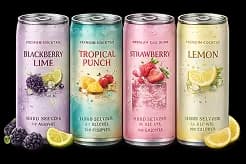
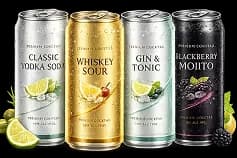
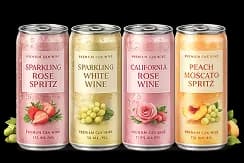
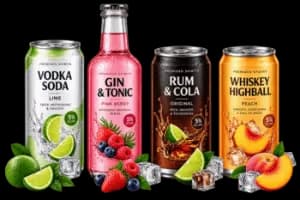
PepsiCo and Varun Beverages plan to introduce ready-to-drink alcoholic beverages in India, aiming to tap into the country’s growing low-alcohol market driven by young and urban consumers.
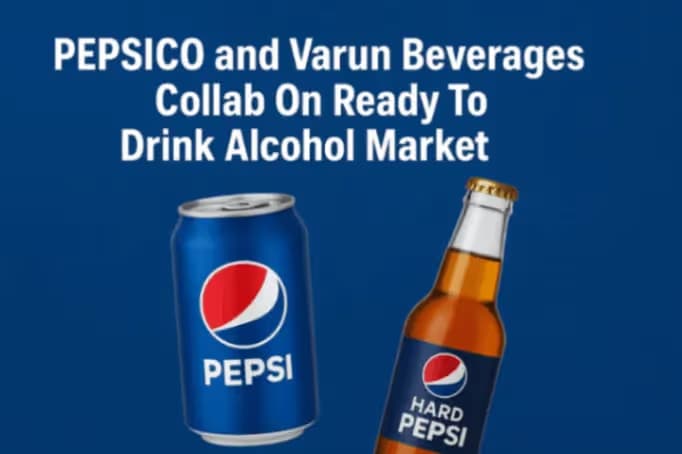
PepsiCo and Varun Beverages Ltd (VBL) are in talks to bring ready-to-drink (RTD) alcoholic beverages to India. VBL is PepsiCo’s biggest bottling partner outside the US. This could be a big change for PepsiCo, which has been known mainly for soft drinks in India. The company now wants to expand into the growing low-alcohol drinks segment.
Ravi Jaipuria, chairman of VBL’s parent company RJ Corp, confirmed that the discussions are taking place. He said, “We are talking to PepsiCo about whether we can start with some of their ready-to-drink, low-alcohol products. These products are growing fast all over the world, and there is good scope in India too.”
Recently, VBL also partnered with Carlsberg Breweries to distribute alcoholic beverages in some African countries. This shows the company’s interest in expanding its alcohol business.
Growing Market for RTD Drinks
India’s market for ready-to-drink alcoholic beverages is projected to experience rapid growth in the coming years. A report from Future Market Insights indicates that the market is expected to grow at a rate of 6% per year between 2025 and 2035, which is higher than the global average.
The main demand will come from large cities such as Mumbai, Delhi, and Bengaluru. Young consumers, especially millennials and Gen Z, are driving this trend. They prefer convenient and premium drinks for parties and home gatherings.
PepsiCo’s Experience in Other Countries
PepsiCo already sells alcoholic RTD drinks in other markets. In Canada, it worked with AB InBev to launch SVNS Hard 7Up, an alcoholic version of 7Up. In the UK, PepsiCo partnered with Diageo to make a drink that mixes Captain Morgan rum with Pepsi Max. These partnerships show that PepsiCo sees a big opportunity in this category.
Why PepsiCo Is Looking at Alcohol Now
PepsiCo’s traditional soft drink business in India has slowed down. Changes in weather and tough competition from local and new brands have affected sales. On the other hand, the alcoholic RTD category has strong potential.
“Ravi Jaipuria said, “We have free cash flows. We have to use our cash and grow the business.” VBL already has a wide distribution network in India. It can use the same trucks, retailers, and sales teams that it uses for soft drinks to deliver alcoholic RTD products. This will help the company expand quickly and at a lower cost.”
Possible Challenges
There are still some challenges. Alcohol advertising is restricted in India, so promoting these products will be difficult. Also, alcohol laws and taxes are different in every state, which makes operations more complicated.
Still, Jaipuria sounded positive. “We are starting with Africa, and let’s see what we can do in India,” he said. The plan to start with low-alcohol drinks could also make it easier to follow regulations and attract health-conscious customers.
Coca-Cola Is Already in the Game
PepsiCo’s main competitor, Coca-Cola, has already entered this space. Coca-Cola launched Lemon-Dou, a ready-to-drink alcoholic beverage, in some Indian markets two years ago. It has also teamed up with Pernod Ricard to make Absolut Vodka and Sprite, and with Brown-Forman for Jack Daniel’s and Coke. These launches show that big beverage companies see strong growth opportunities in India’s alcohol market.
A Big Opportunity Ahead
If PepsiCo and VBL go ahead with this plan, it could bring a major change to India’s beverage market. The global RTD cocktails market is growing fast and could reach $55 billion by 2030. Many consumers prefer these drinks because they are easy to carry, serve, and enjoy.
The Indian alcohol market is also moving toward premium products. Young people now choose drinks that reflect their lifestyle rather than just for alcohol content. Premium and high-end beverages also give companies better profit margins.
Jaipuria said that discussions with PepsiCo are still at an early stage. There is no official announcement yet. But if things move forward, this partnership could change how large beverage companies like PepsiCo operate in India. It might also push others to follow, creating a new wave of competition in the Indian alcohol market.