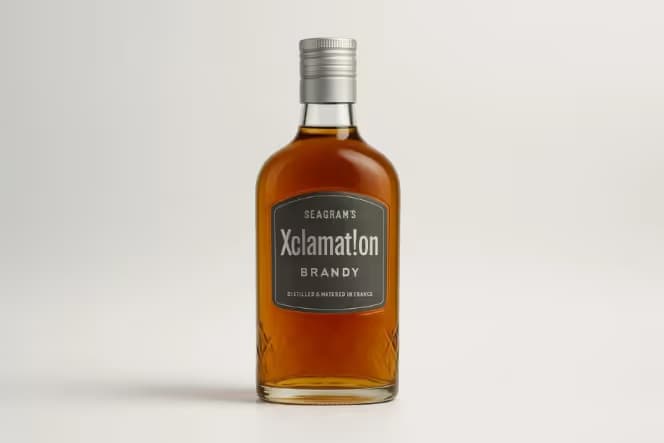
Xclamat!on Whisky is Pernod Ricard's attempt to answer a question Indian drinkers have been quietly asking: Can a locally-made whisky actually be premium?
The answer, according to this bottle, is yes. But with a nuance.
The Real Question: Is It "Good"?
Xclamat!on Whisky isn't going to make whisky enthusiasts who own 30-year-old single malts reevaluate their entire collection. It's not that level of complexity or age-based sophistication.
But at ₹800? It's better than most blended whiskeys at the same price point. It's smoother than Royal Challenge or Officer's Choice (the category incumbents). It's designed for people who want quality without gatekeeping.
The Speyside component is real—you're getting actual Scottish character, not synthetic flavoring pretending to be Scotch. The Indian grain component isn't something to be ashamed of, it's actually what makes this interesting and locally resonant.
The Packaging Matters
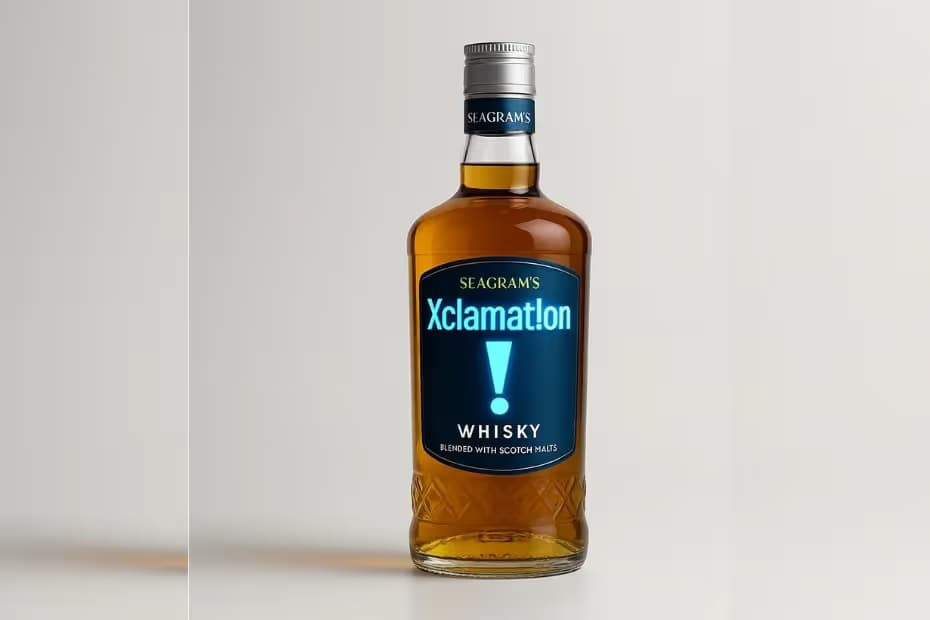
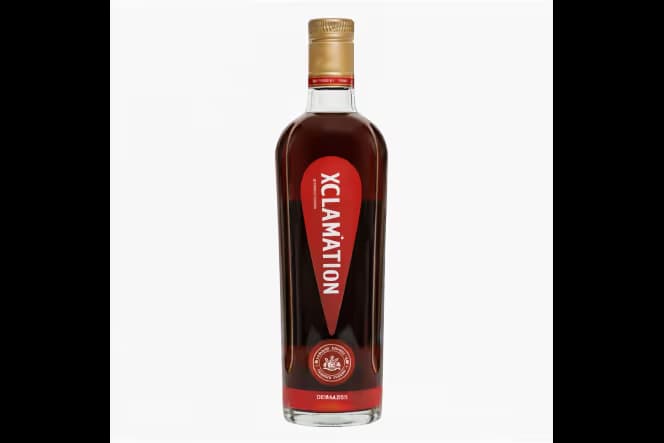
The blue glow-in-the-dark label isn't just aesthetics. In bars with UV lighting (which, let's be honest, 26-35 year-olds are drinking in), this bottle literally glows. The aluminum snap lid signals premium positioning. The diamond-cut glass adds visual interest.
For an ₹800 bottle, the packaging is genuinely impressive. It doesn't feel cheap. It doesn't look like something you'd regret bringing to a party.
Where You Can Get It
Launch markets (2025): Haryana, Uttar Pradesh, Goa, Rajasthan, Daman.
Not available: Delhi (Pernod's license was suspended in 2022), Karnataka (excise duty too high), Maharashtra (recent duty increases made it unprofitable to launch).
The geographic limitation is frustrating if you're in a major city, but it's honest. Pernod is being transparent about regulatory challenges rather than pretending this is coming everywhere simultaneously.
The Last Sip
Xclamat!on Whisky is a solid "yes" if:
- You want to try premium Indian-made whisky without spending ₹2,000+
- You enjoy smooth, balanced whiskeys over bold, peaty ones
- You drink whisky more in cocktails than neat
- You appreciate that "made in India" can actually mean quality, not compromise
- You're 26-35, experimentation-minded, and Instagram-savvy
Xclamat!on Whisky is probably not for you if:
- You're a serious whisky collector compared to Scotch single malts
- You only drink whisky neat and demand complexity
- You live in a region without current availability
- You're skeptical of "premium" positioning on "made in India" spirits