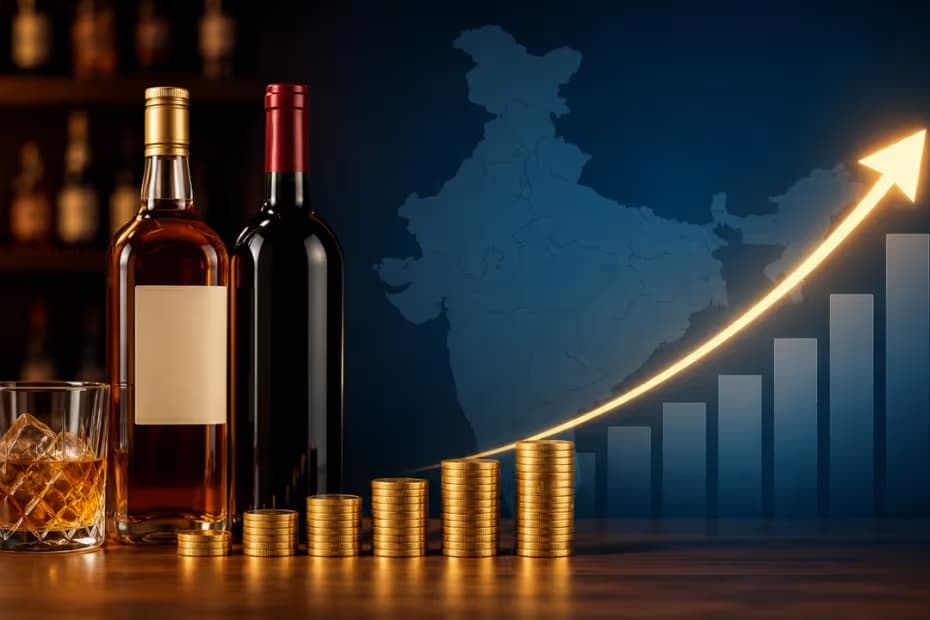
The latest state excise numbers paint a striking picture. Uttar Pradesh collected nearly ₹10,000 crore in liquor excise during April and May, while Haryana reported an 82% year-on-year jump in collections. At first glance, it may appear that Indians are simply drinking more.
The reality is far more complex.
Higher excise revenues are being driven by a combination of policy reforms, premiumisation, improved tax compliance and expanding legal retail networks, not just higher alcohol consumption.
Why excise revenue matters so much
Unlike most consumer goods, alcoholic beverages remain outside the GST framework.
That gives individual states complete authority over:
- Excise duty
- Licensing
- Retail policy
- Distribution models
- Label registration
- Import fees
As a result, alcohol has become one of the largest sources of the states' own tax revenue. Research by the National Institute of Public Finance and Policy notes that state excise is the third-largest source of own tax revenue for many states.
Higher revenue doesn't automatically mean higher drinking
Several factors can push excise collections upward without a proportional rise in alcohol consumption.
1. Premiumisation
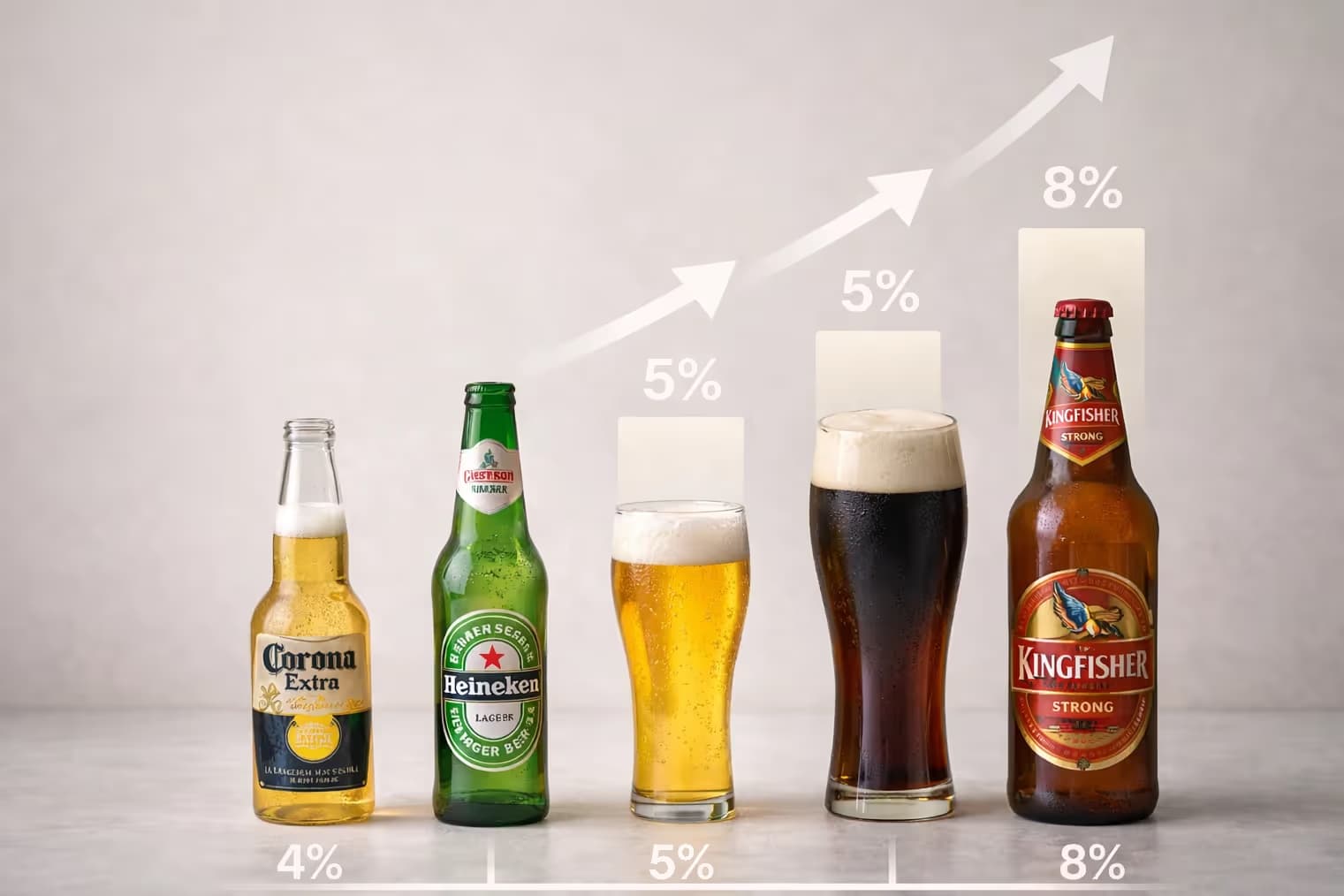
Consumers are increasingly choosing premium whisky, gin and beer over lower-priced products.
Premium bottles attract substantially higher excise duties.
2. Excise policy reforms
Several states have redesigned licensing systems to reduce leakage and improve compliance.
Haryana's recent excise policy specifically targets broader market participation and stronger enforcement.
3. Better compliance
Digitised licensing, tracking systems and tighter enforcement mean more alcohol sales move through legal channels.
4. Price revisions
Even modest increases in excise duties can significantly boost state revenues without major changes in sales volumes.
Why this matters for India's alcohol industry
For producers, stronger legal markets generally create a healthier business environment.
Better compliance means:
- more predictable distribution
- reduced illicit competition
- easier premium brand expansion
- greater investment confidence
This is particularly relevant as India's premium spirits segment continues to expand.
The policy balancing act
States face an unusual balancing act.
Alcohol generates significant public revenue while also requiring responsible regulation due to its social and health impacts.
The challenge for policymakers is to maximise legal compliance and revenue without encouraging excessive consumption.
Conclusion
The latest excise figures should not be read as evidence that India is simply drinking more.
Instead, they reflect how alcohol has become a sophisticated fiscal instrument—shaped by taxation, regulation, premiumisation and formalisation of the market.
For consumers, the takeaway is equally important: higher government collections reveal more about changing policy and purchasing patterns than they do about individual drinking habits.