Is Your Whisky Actually Whisky? FSSAI Just Flagged Antiquity, Royal Challenge and Bagpiper for Fake Flavouring
FSSAI has flagged select Antiquity, Royal Challenge and Bagpiper batches for artificial flavouring. Here's what was found and what it means for you.
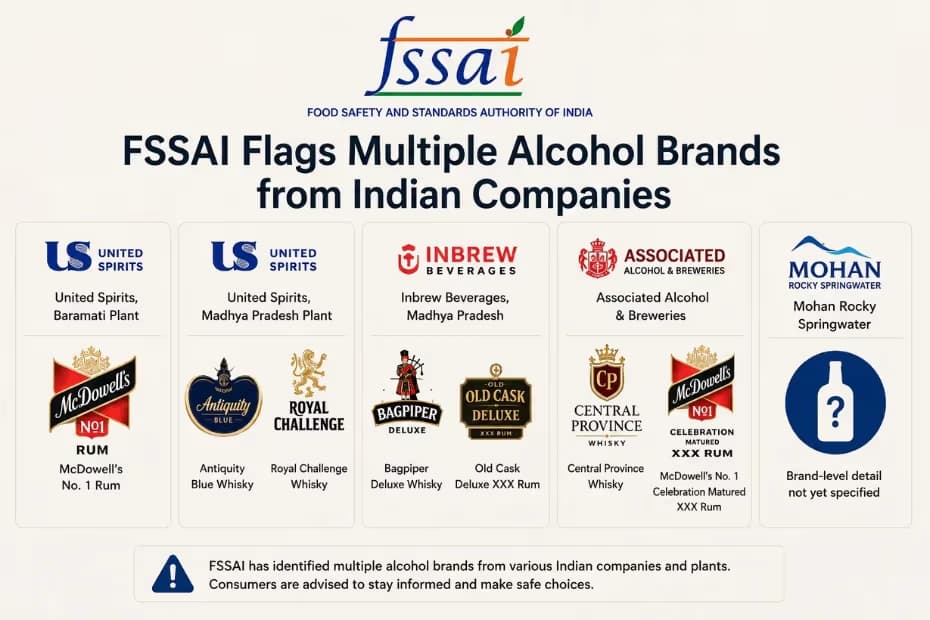
India's food safety regulator says some of the country's most familiar whisky and rum brands may be getting their taste from a flavour compound in a lab, not from years in a barrel. Here is what was actually found, what it means for your next drink, and what it doesn't mean.
What FSSAI Actually Found
The Food Safety and Standards Authority of India has ordered a sales ban on select batches of whisky and rum made in Madhya Pradesh by United Spirits, the Diageo-owned company behind some of India's biggest liquor brands, and by Inbrew Beverages.
Lab tests reportedly found artificial or nature-identical flavour compounds added to these products. The purpose of those compounds, according to FSSAI, was to recreate the taste and smell that would normally come from real barrel ageing or from natural ingredients like molasses, malt and grapes.
In a separate finding, FSSAI also flagged a rum labelled seven-year-old blended that reportedly had less than 5 percent actual aged spirit in it. The rest was unaged neutral alcohol.
Wait, Is My Whisky Fake?
No, and this is the part worth getting right before anyone panics.
FSSAI has been explicit that flavouring itself is not banned. It is legal and common worldwide when used for legitimate reasons and disclosed honestly. A spiced rum or a flavoured vodka is not what this story is about.
What the regulator is objecting to is narrower and stranger: whisky flavour added to whisky, rum flavour added to rum. In FSSAI's own words, there is no internationally recognised practice where you flavour a spirit to taste more like itself.
The concern is that doing this lets a manufacturer skip the actual maturation process while still presenting the drink as a standard, properly made product.
So this is not a safety scare. It's a truth-in-labelling scare. The question isn't "will this hurt me," it's "did I pay for ageing I never got."
Which Brands Were Named
FSSAI first sent notices on July 10 without naming anyone. On Sunday, August 2, it named names.
- United Spirits, Baramati plant - McDowell's No. 1 Rum
- United Spirits, Madhya Pradesh plant - Antiquity Blue Whisky, Royal Challenge Whisky
- Inbrew Beverages, Madhya Pradesh - Bagpiper Deluxe Whisky, Old Cask Deluxe XXX Rum
- Associated Alcohol & Breweries - Central Province Whisky, McDowell's No. 1 Celebration Matured XXX Rum
- Mohan Rocky Springwater - also named, brand-level detail not yet specified
FSSAI also confirmed inspections and sampling at Mandexi Distilleries & Breweries in Goa, and said notices have gone out to six more manufacturers in Maharashtra. This list may not be final.
What Happens to Bottles Already on Shelves
Under the current order, these products cannot keep selling under their existing labels.
Manufacturers can reportedly clear existing stock, but only if it's relabelled to disclose what's actually inside, using front-of-pack terms like "whisky-flavoured spirit" or "rum-flavoured spirit" rather than fine print. FSSAI hasn't yet spelled out the exact format this labelling has to take.
As of this writing, United Spirits, Diageo India and Inbrew Beverages have not issued a widely reported public statement. This is still developing.
Why This Matters More Than It Looks
These aren't obscure brands. Antiquity, Royal Challenge, McDowell's No. 1 and Bagpiper sit in the mainstream, mass-market segment that actually drives the bulk of India's whisky volume, the world's largest by that measure. These are often the first whisky or rum a lot of Indian drinkers ever try.
For the industry, this lands at an awkward time. Indian whisky, including the country's single malts, has spent years building a genuine credibility story internationally. A finding like this, even limited to a handful of plants and batches, is exactly the kind of headline that dents trust broadly, including for brands that were never named and did nothing wrong.
Every mainstream IMFL manufacturer now has a reason to check their own flavouring and age-claim practices before FSSAI's enforcement drive, which is clearly still expanding across states, reaches them too.
For the age-claim finding specifically: blended spirits routinely mix aged and unaged components, and Indian whisky has long carried a real share of neutral grain spirit in many mass-market blends.
That's not new. What is a real issue is that an age statement is supposed to reflect the youngest spirit actually in the bottle, a standard used internationally.
A "7 year old" label with under 5 percent aged spirit in it, if that holds up, is a different kind of problem than the flavouring question. It's a specific number printed on a bottle that doesn't match reality.
What This Story Isn't
It's not a claim that these drinks are unsafe, adulterated, or dangerous to consume. FSSAI drew a clear line between flavouring it considers legitimate and flavouring it considers misleading, and this falls entirely on the labelling and disclosure side.
If you see this story shared as "your whisky has toxic chemicals in it," that's an overstatement of what's actually been alleged. Good coverage of this should resist that framing, and so should you when you're deciding whether to share it further.
What About the Stock Price?
United Spirits is a large, profitable, publicly listed company, majority owned by Diageo. This notice affects specific plants and specific batches, not the company's entire portfolio.
There's no confirmed reporting yet on how the stock has moved in direct response to this notice. If you want that number, check live market data rather than older financial reports, since USL's previously reported results predate this development and shouldn't be read as a reaction to it.
Regulatory notices like this typically draw investor and analyst attention in the days that follow, especially with brands this well known involved.
The Responsible Drinking Bit
None of this changes the basics. Know your limits, never drink and drive, and treat a labelling dispute as a reason to ask better questions about what you're buying, not as a reason to panic about safety.
This article is based on FSSAI's public statement and multiple independently reporting outlets as of August 3, 2026. This is a developing story, including possible company statements, appeals, or clarified labelling requirements still to come. Treat this as a snapshot, not a final account.
Explore Liquor Types





Explore Liquor Brands






Explore RTD
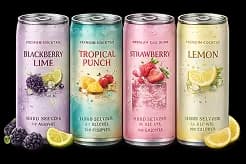
Seltzers
Fizzy, fruity, light alcohol- easy to sip, chill.
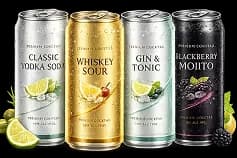
Cocktails
Bar-quality mixology in a can, perfectly balanced blends.
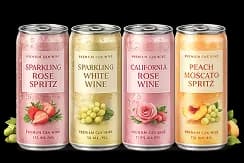
Wine Based
Estate-grown grape wines and spritzes in premium cans.
Premixed Spirits
Convenient spirit mixes—chill, pour, and enjoy
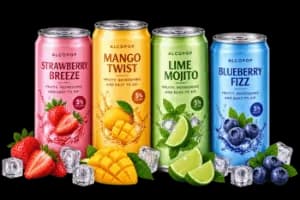
Alcopops
Fruity, refreshing, and easy to sip.
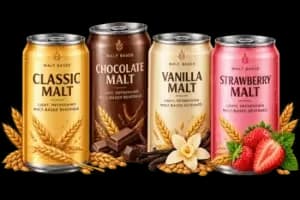
Malt Based
Light, refreshing malt-based beverages.
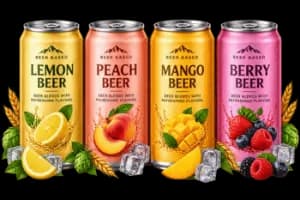
Beer Based
Beer blends with refreshing flavors.
Liquor In India

OccasionalDrinker promotes mindful and responsible alcohol consumption. Content intended for adults 21+.