What Makes Manifest Different from the Original
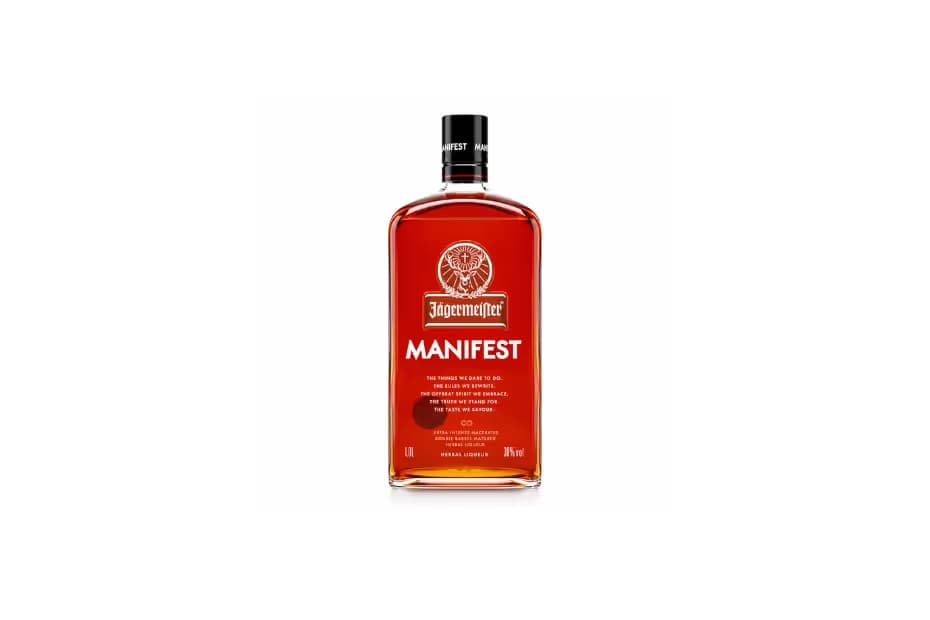
The production differences are worth explaining because they are what justify Manifest as a genuinely separate experience rather than a premium label on the same product. In the Original, the 56 botanicals are macerated in a water-alcohol mixture for approximately 42 days across four separate maceration batches, which are then blended.
In Manifest, the same 56 botanicals go through macerations that run for 9 to 12 months, and the concentrations are approximately 350 times more intense than in the Original. A fifth maceration batch uses additional botanicals, including vanilla and dried fruits, specifically designed to act as a bridge between the more concentrated botanical load and the final blended spirit.
The distillate base is also different. Manifest uses a northern German wheat distillate rather than the neutral grain spirit base of the Original. Wheat distillates carry more character of their own, which becomes part of the finished flavour.
Then there is the dual oak maturation: small casks and large casks from Germany and America, each contributing different wood-derived notes over 15-plus months. Small casks accelerate oak extraction and add structure.
Large casks add subtler vanilla and caramel tones more slowly. Using both together allows a more controlled layering of oak character than either alone would produce.
Flavour Profile
Manifest is perceptibly more complex and less immediately sweet than the Original. The reduced sugar content means the botanical bitterness and the oak-derived structure are more prominent. The wheat distillate base adds a slight cereal warmth that is not present in the classic. The overall impression is richer, rounder, and more contemplative - a liqueur designed for slow sipping rather than quick shooting.
How to Drink It
Neat, Slightly Chilled
The brand's own recommendation and the correct approach for a first encounter. Pour 30ml into a small snifter or a rocks glass and chill to approximately 6 to 8 degrees Celsius, either by resting the glass briefly in the fridge or adding one small ice cube and letting it dilute minimally. This temperature opens the aromatics without the extreme cold that suppresses the complexity in the Original.
Over a Single Large Ice Cube
A single large format ice cube chills slowly and dilutes minimally, which is ideal for Manifest. The gentle dilution as the ice melts gradually opens the spirit over 20 to 30 minutes of slow sipping, revealing different layers as the drink evolves.
Herbal Old Fashioned
60ml Manifest, 5ml of a neutral simple syrup if desired (Manifest is already less sweet so the syrup is optional), two dashes of aromatic bitters, a large ice cube, and an orange twist. The oak and vanilla character of Manifest carries well in this format, and the bitters amplify the herbal botanical backbone.
As a Digestif After a Rich Meal
Manifest was built for this occasion. A 30ml pour after a heavy meal performs the classic digestif function - the botanical bitterness stimulates digestive processes and the complexity gives you something to sip slowly. This is how the original Jägermeister was intended to be consumed in Germany in 1934, and Manifest takes that tradition and elevates it.
Food Pairing
Natural Pairings
• Dark chocolate and orange - the dried fruit, vanilla, and oak in Manifest pair beautifully with quality dark chocolate, particularly varieties with orange or dried fruit notes.
• Aged cheese - the herbal bitterness cuts through rich dairy. A well-aged cheddar or gouda works particularly well alongside Manifest's complexity.
• Charcuterie and cured meats - the botanical profile and oak-derived tannins give Manifest a structural quality that complements the savoury, fatty character of cured meats.
• Raisins and dried apricots - the dried fruit notes in Manifest itself make fresh dried fruit a natural pairing that amplifies those characteristics.
Indian Context
• Dry fruit and nut mithai - the dried fruit botanical notes in Manifest mirror the character of high-quality dry fruit-based Indian sweets. An unusual but genuinely interesting pairing.
• Aged or smoked paneer preparations - the oak structure and herbal complexity of Manifest can complement the smokiness of tandoor-cooked paneer.
• Cardamom-based desserts - cardamom is present as a botanical note in Manifest, and desserts built around it create a resonant pairing.
Who Should Try This
• Occasional drinkers who have already explored the original Jägermeister and want to understand what premium production techniques actually change about a spirit.
• Whisky drinkers or anyone who appreciates oak-matured spirits and botanical complexity - Manifest's dual-cask maturation gives it a character that will be familiar and appealing to anyone who enjoys premium blended Scotch or complex herbal amari.
• People who dismissed Jägermeister based on the shot culture around the Original - Manifest is a genuinely different product designed for a completely different occasion.
• Home bar enthusiasts who want a premium herbal liqueur for cocktails - Manifest works as an Old Fashioned modifier or a digestif-style cocktail base in ways the Original cannot.
Similar Bottles
Chartreuse VEP Green (France)
The benchmark for super-premium herbal liqueurs globally. Made by Carthusian monks from 130 botanicals and aged for years, Green VEP is significantly more complex and more expensive than Manifest, but sits in the same category of genuinely premium botanical spirits designed for slow sipping.
Amaro Montenegro (Italy)
An Italian herbal liqueur at 23% ABV with a sweet, dried orange, and botanical profile. Softer and lower in ABV than Manifest, but shares the philosophy of botanical complexity and digestif function.
Bénédictine DOM (France)
A French herbal liqueur made from 27 plants and spices at 40% ABV. Noticeably sweeter than Manifest and built on a brandy base rather than wheat distillate, but a useful comparison to understand how different distillate bases and botanical combinations produce distinct herbal liqueur profiles.
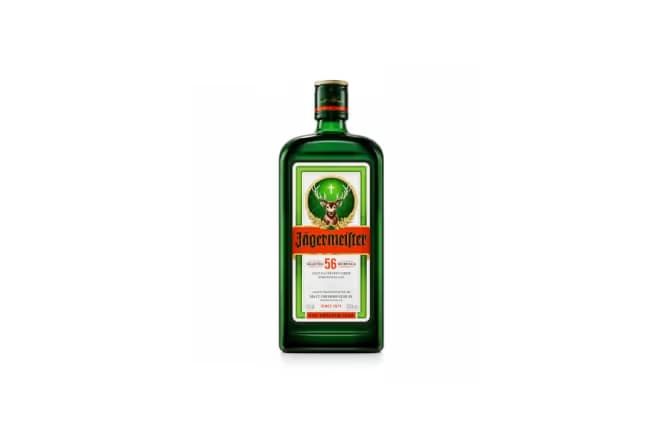
Jägermeister Original
The direct comparison. Drinking the Original and then Manifest back to back in small measures is the most educational way to understand what the additional production complexity actually adds. The shared botanical DNA is audible in both, but everything else is different in character and register.
Responsible Drinking
Jägermeister Manifest contains 38% alcohol by volume, which is meaningfully higher than most herbal liqueurs and equivalent to a standard strength spirit. Because it is designed to be sipped slowly, it is easy to lose track of how much you have consumed over a long evening. OccassionalDrinker.com recommends keeping measures small, alternating with water, and eating before and during any tasting session. Do not drive after consuming alcohol.